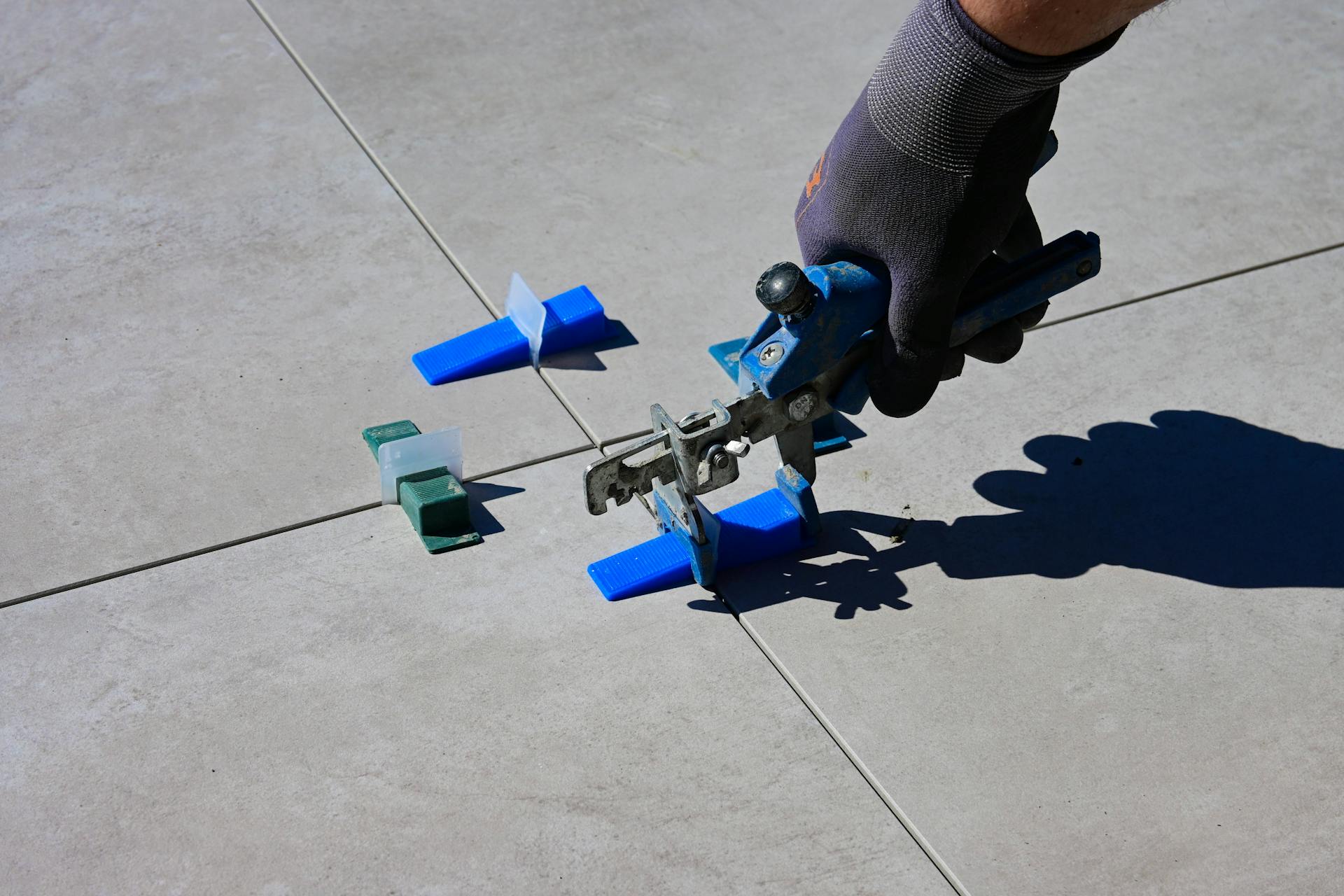
Importance of Floor Leveling
Structural Stability
A level floor provides a stable base for any type of flooring. Without proper leveling, flooring materials may crack, shift, or wear out prematurely. Ensuring a flat surface helps distribute weight evenly, reducing stress on specific areas.
Enhanced Aesthetic Appeal
Uneven floors can affect the overall appearance of a space. Visible dips or slopes can make a room look poorly constructed. Floor leveling improves the visual quality by creating a smooth and uniform surface.
Safety Improvement
Irregular flooring can lead to tripping hazards, especially in high-traffic areas. Leveling the floor reduces the risk of accidents and ensures a safer environment for occupants.
Better Flooring Installation
Most flooring materials require a flat base for proper installation. Floor leveling ensures that adhesives bond correctly and that the flooring sits evenly without gaps or movement.
Common Causes of Uneven Floors
Settlement of Foundation
Over time, buildings may experience foundation settlement, causing floors to become uneven. This is a common issue in both residential and commercial properties.
Moisture Damage
Water infiltration can weaken the subfloor, leading to swelling, warping, or sinking. Moisture-related problems often require leveling before installing new flooring.
Poor Initial Construction
Inadequate construction practices can result in uneven floors from the beginning. Improper mixing of concrete or incorrect installation techniques are common causes.
Wear and Tear
Continuous use, heavy loads, and aging materials can cause floors to deteriorate. This gradual wear often leads to uneven surfaces that require correction.
Types of Floor Leveling Methods
Self-Leveling Compounds
Self-leveling compounds are one of the most commonly used methods. These are liquid mixtures that spread evenly across the floor and settle into low areas, creating a smooth surface. They are ideal for minor to moderate unevenness.
Concrete Grinding
Concrete grinding involves using specialized equipment to remove high spots on the floor. This method is effective for correcting uneven concrete surfaces and preparing them for further leveling.
Floor Screeding
Floor screeding involves applying a layer of cement-based material over the existing floor to create a flat surface. It is commonly used in both residential and commercial construction.
Plywood or Underlayment Installation
In some cases, especially with wooden floors, additional layers such as plywood or underlayment are installed to level the surface. This method is often used before installing laminate or vinyl flooring.
Benefits of Professional Floor Leveling Service
Long-Term Durability
Professional floor leveling ensures that the surface remains stable for years. A properly leveled floor reduces the chances of cracks, gaps, and other issues that can arise over time.
Improved Flooring Performance
Level floors allow flooring materials to perform as intended. Tiles stay intact, wood does not warp, and carpets remain smooth without bumps or wrinkles.
Cost Savings
Although floor leveling requires an initial investment, it prevents costly repairs in the future. Proper preparation reduces the likelihood of flooring damage and replacement.
Increased Property Value
A well-level floor enhances the overall quality of a property. This can increase its market value and make it more attractive to potential buyers or tenants.
Floor Leveling Process
Inspection and Assessment
The process begins with a thorough inspection of the floor to identify uneven areas, cracks, and underlying issues. This helps determine the most suitable leveling method.
Surface Preparation
Before leveling, the floor must be cleaned and prepared. This includes removing debris, grease, and old flooring materials. Any cracks or damages are repaired to ensure a strong base.
Application of Leveling Material
Depending on the chosen method, leveling compounds, screed, or other materials are applied. These materials are spread evenly to fill low areas and create a flat surface.
Drying and Curing
After application, the leveling material needs time to dry and cure. This step is crucial to ensure strength and stability before installing new flooring.
Applications of Floor Leveling
Residential Properties
In homes, floor leveling is commonly used in living rooms, kitchens, bathrooms, and basements. It ensures a comfortable and safe living environment.
Commercial Spaces
Offices, retail stores, and restaurants require level floors for both aesthetics and functionality. Floor leveling helps maintain a professional appearance.
Industrial Facilities
Factories and warehouses rely on level floors for the safe operation of machinery and equipment. Uneven surfaces can disrupt operations and cause damage.
Renovation Projects
Floor leveling is a key step in renovation projects. It prepares old or damaged floors for new installations, ensuring better results.
Challenges in Floor Leveling
Identifying Underlying Issues
Sometimes, uneven floors are a symptom of deeper structural problems. Identifying and addressing these issues is essential for effective leveling.
Time Constraints
The leveling process, especially drying and curing, can take time. Proper scheduling is necessary to avoid delays in construction or renovation projects.
Material Selection
Choosing the right leveling material is crucial. Different surfaces and conditions require specific solutions for optimal results.
Maintenance After Floor Leveling
Regular Cleaning
Keeping the floor clean helps maintain its condition. Dust and debris should be removed regularly to prevent damage.
Monitoring for Changes
Periodic inspection can help detect any new unevenness or damage. Early detection allows for timely repairs.
Avoiding Excessive Load
Distributing weight evenly and avoiding excessive loads can help preserve the leveled surface.